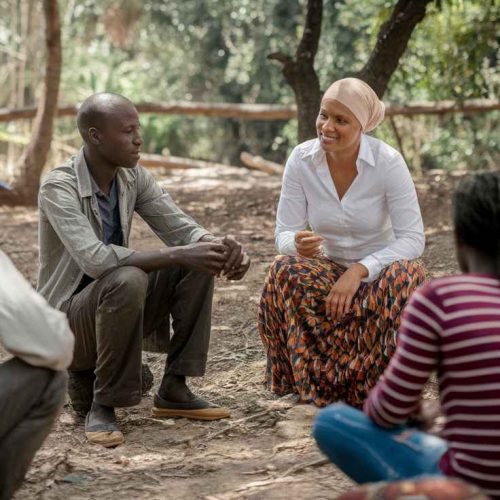
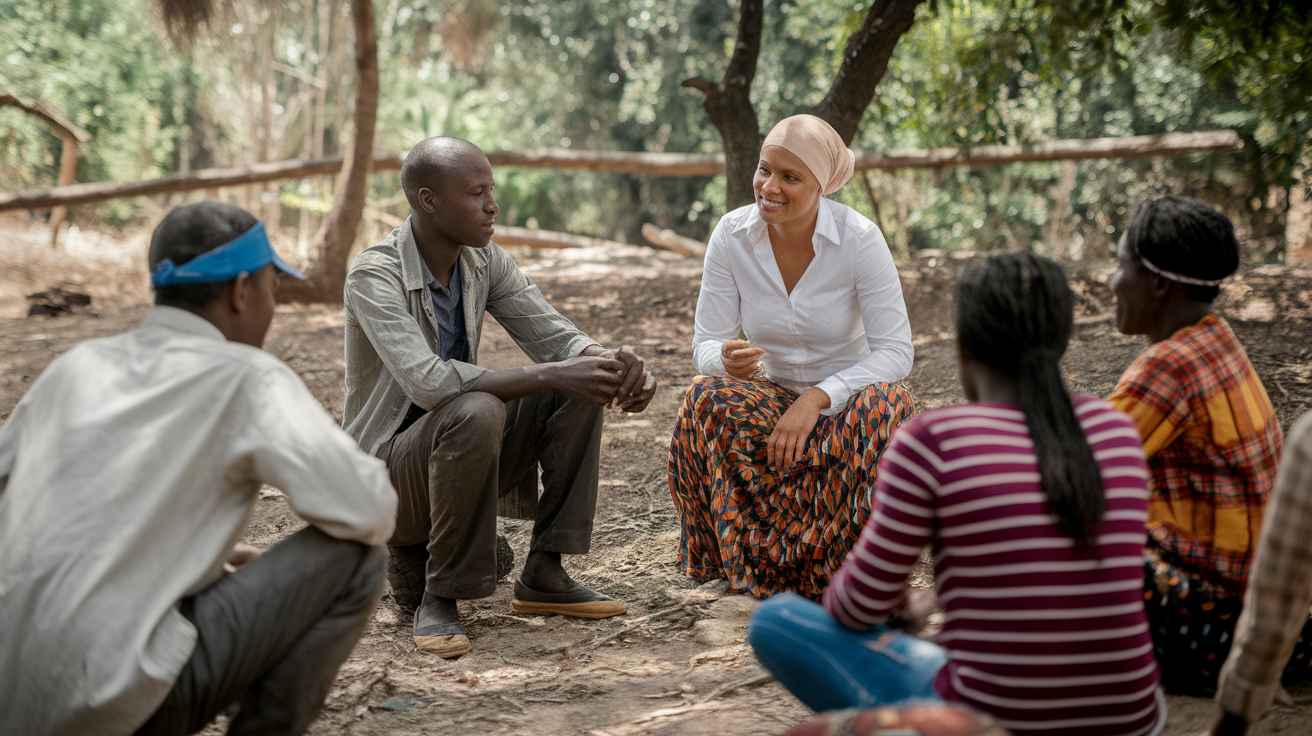


Policies are designed in offices but tested in communities.
Many well-intentioned development policies fail not because of poor design, but because they overlook local realities. Without community consultation, even the best frameworks struggle on the ground.
Development communication acts as a bridge—translating field insights into policy language and policy intent into community understanding. It ensures feedback flows both ways.
When communities are treated as stakeholders rather than beneficiaries, programs become more effective, sustainable, and accountable.
Development works best when policy listens before it acts.