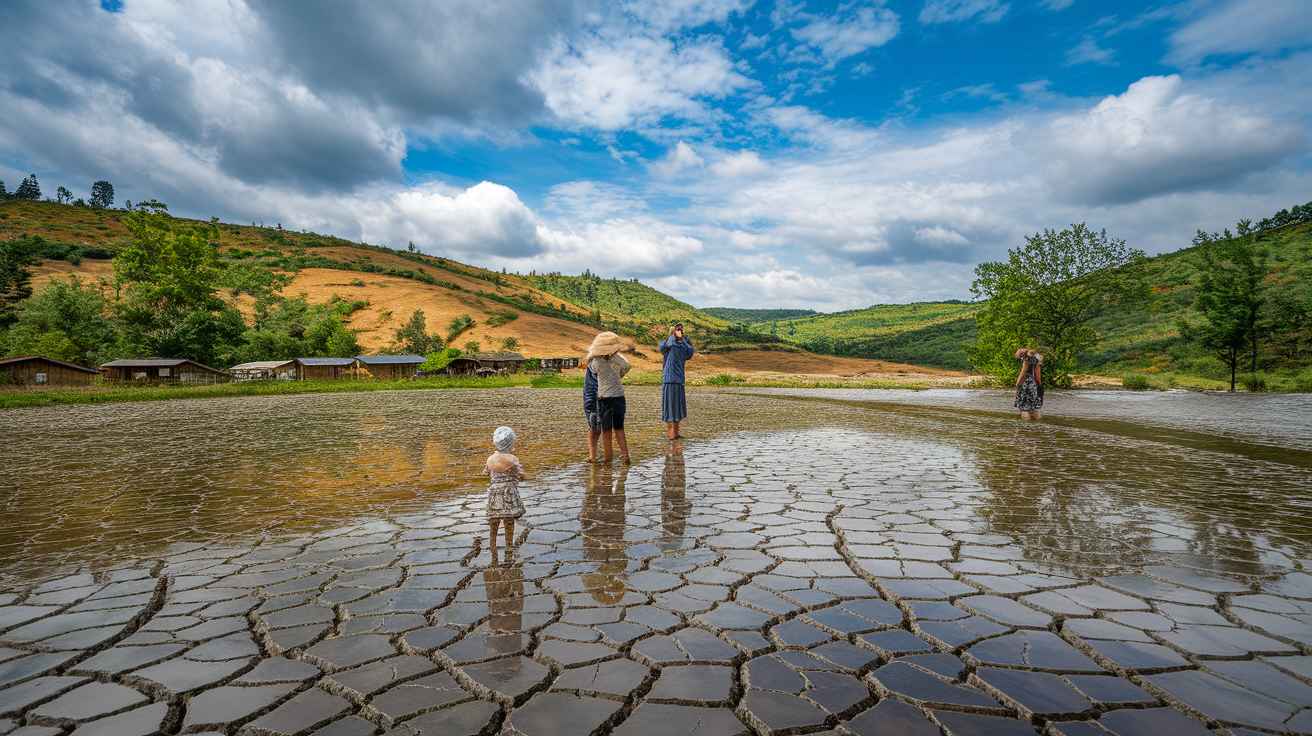
Climate change is often framed as a distant crisis. But for many communities, it is already reshaping daily life.
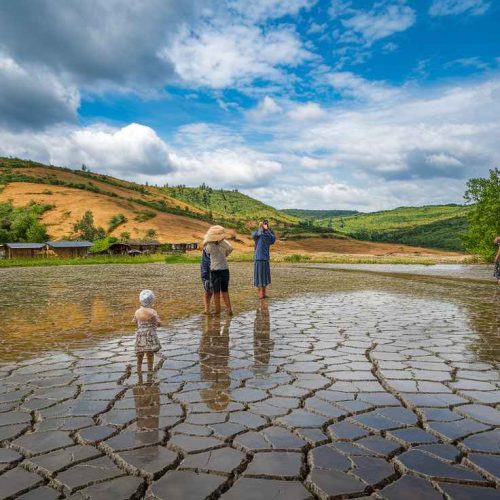
Erratic rainfall, water scarcity, changing crop cycles, and increasing migration are not projections—they are lived experiences. Climate communication must move beyond statistics and focus on human impact.
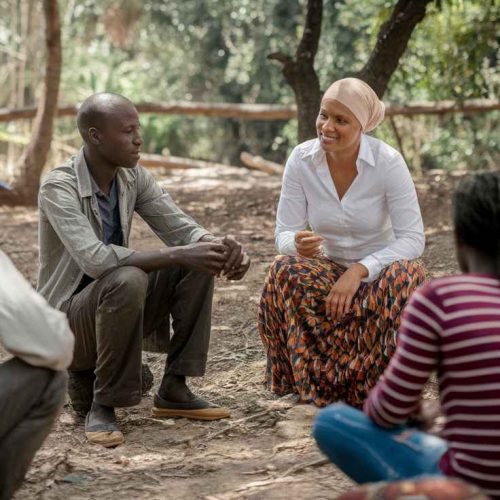
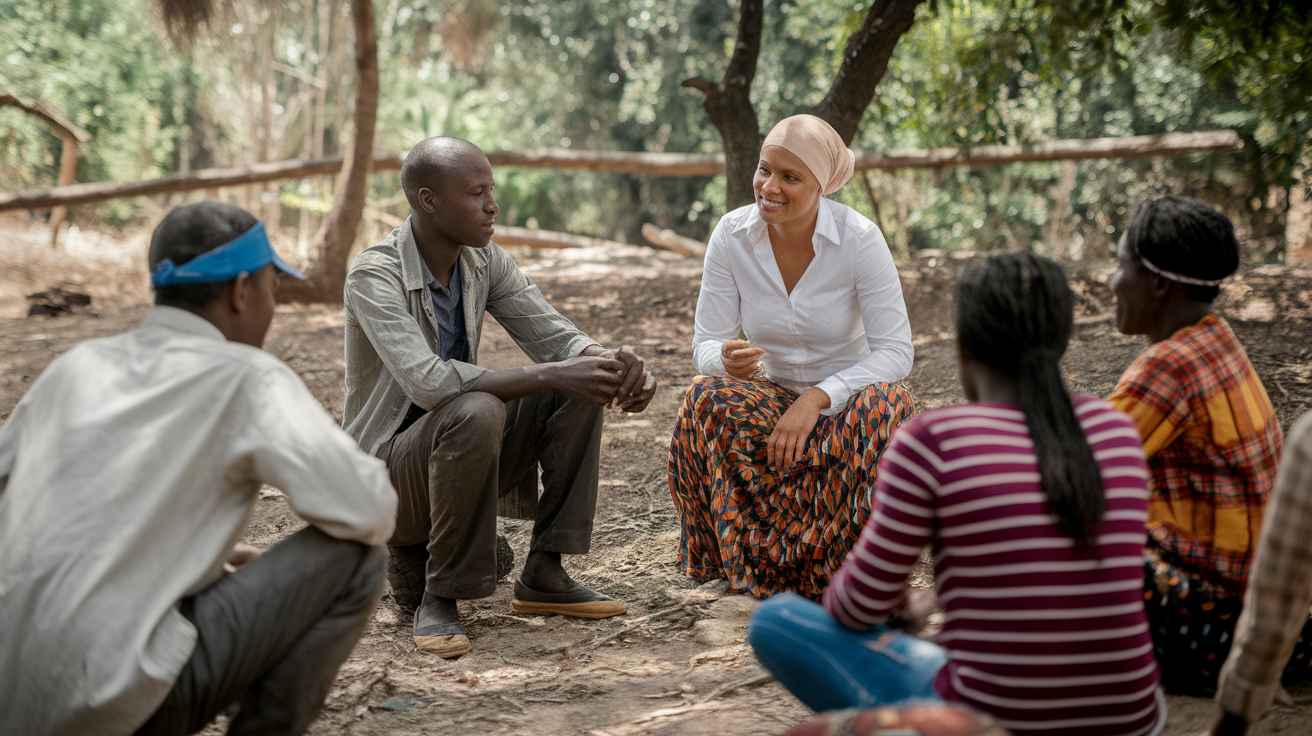
When climate narratives ignore communities, they lose urgency. When they center lived realities, they demand attention. Farmers adapting to unpredictable seasons, coastal families watching shorelines disappear, and informal workers facing extreme heat are already living the climate story.
Responsible climate communication connects data with dignity. It avoids alarmism but refuses silence. Most importantly, it highlights solutions rooted in local knowledge, resilience, and adaptation.
Climate justice begins when stories reflect those who are least responsible yet most affected.